| Platform |
Application range |
Packing principle |
Typical fit |
| TRFRapidpack |
About 100 to 200 products per minute |
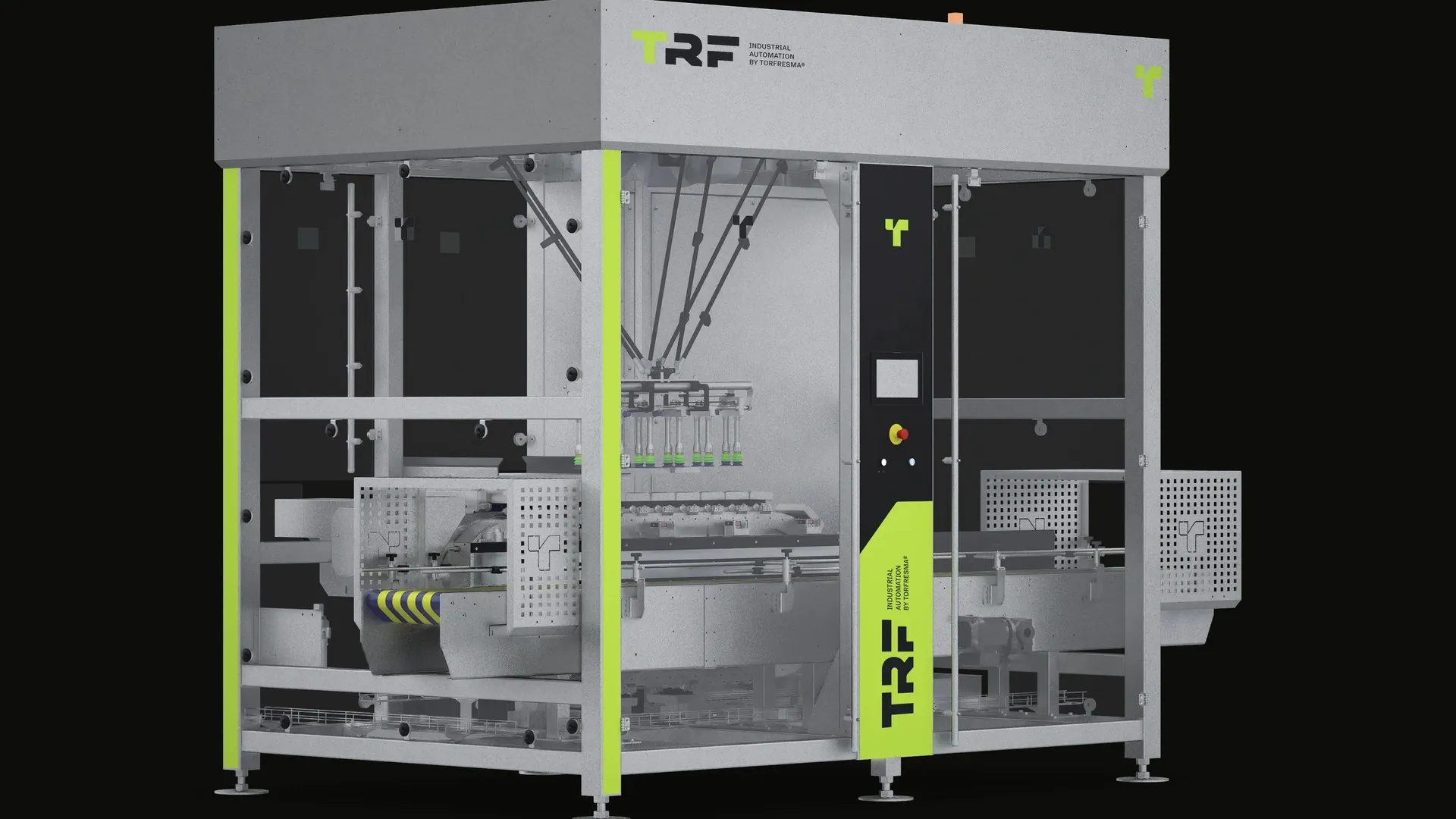
Delta robots, vision-guided or indexed picking |
High-mix lines, multiple SKUs, variable product flow |
| TRFOnepack |
About 20 to 50 products per minute |
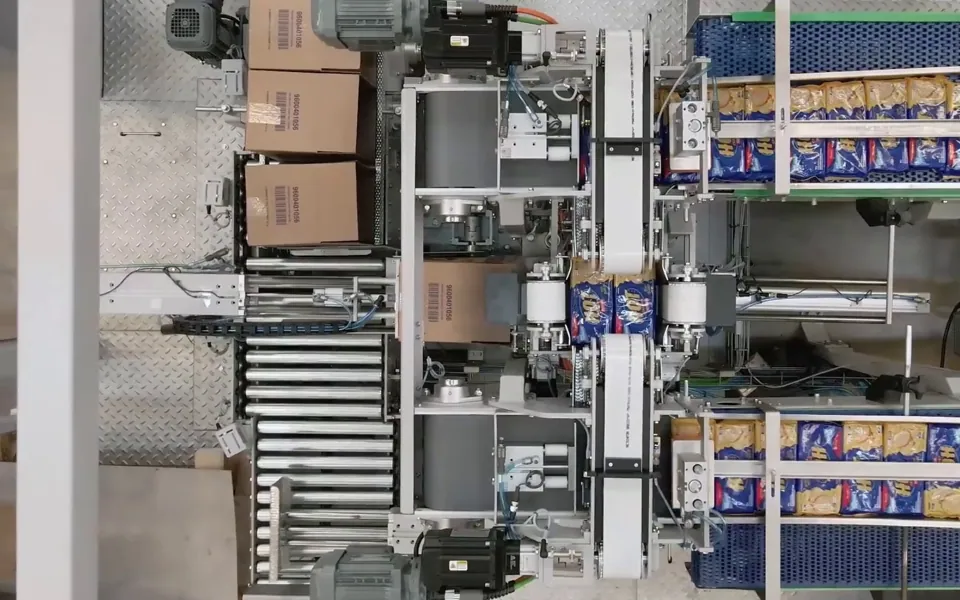
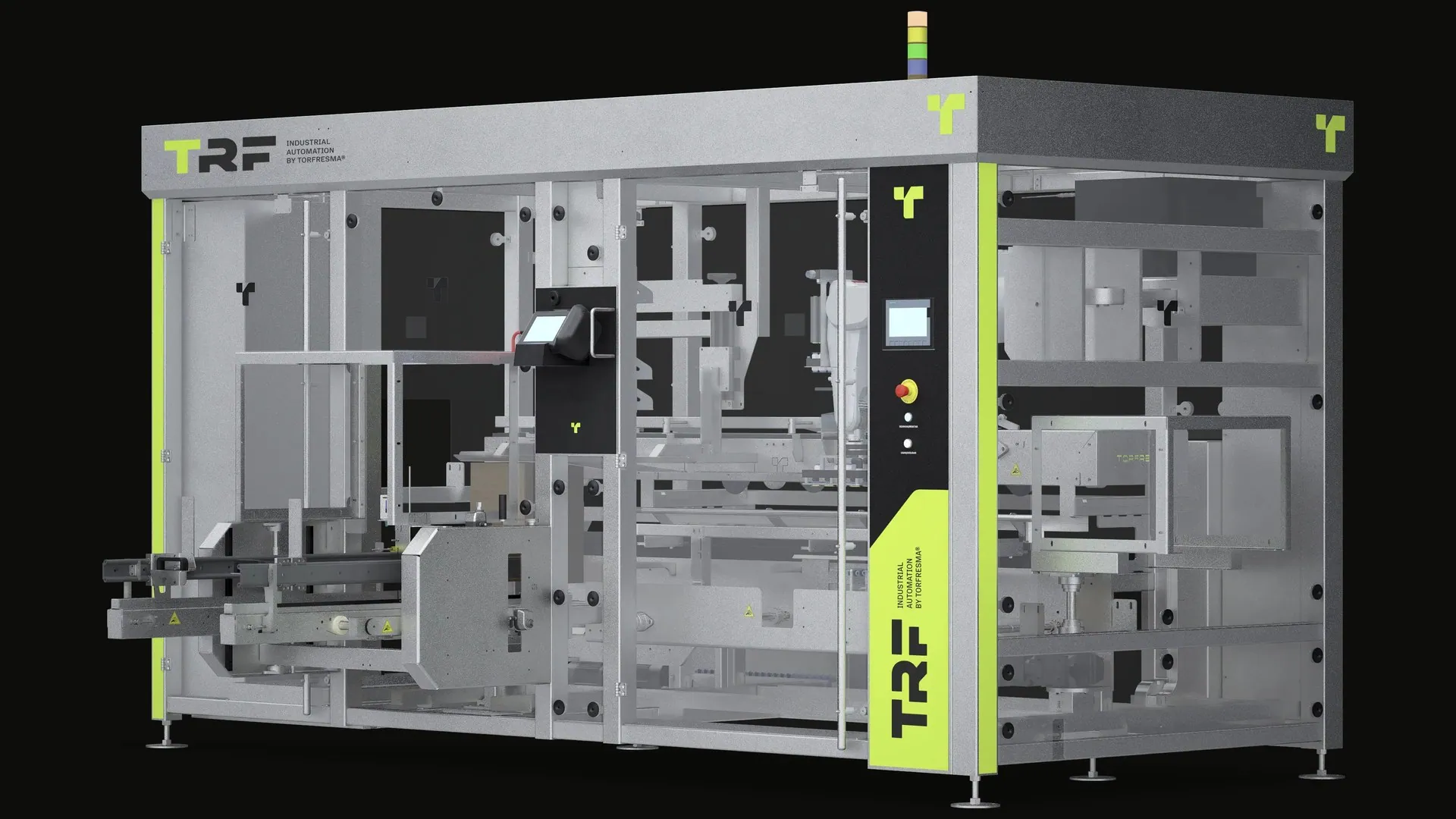
Case erecting, robotic packing and case sealing in one machine |
Small and mid-sized plants consolidating secondary packaging |
| TRFDroppack |
About 20 to 500 products per minute |
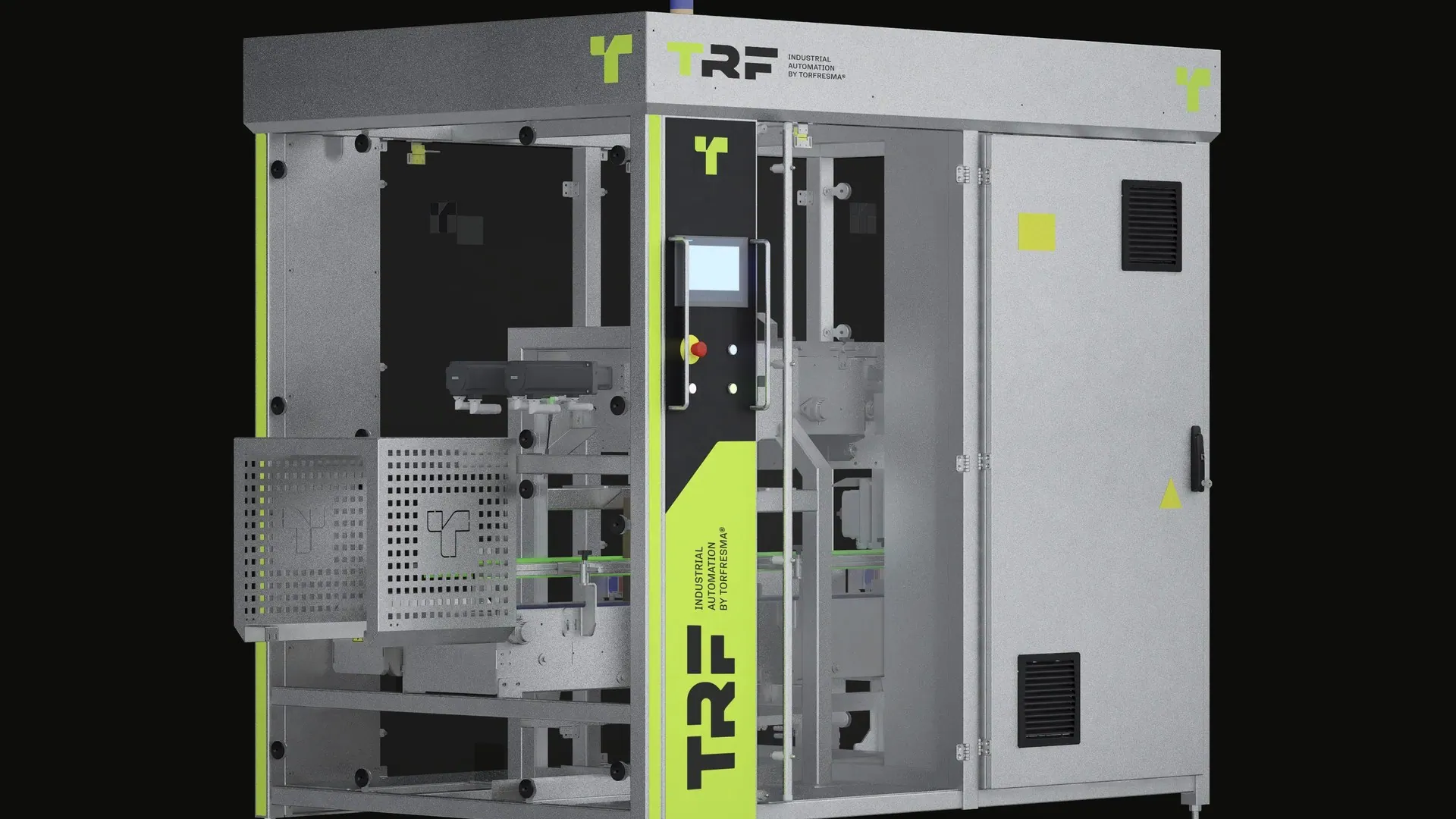
Controlled gravity loading |
Repetitive flexible packages and standardized patterns |
Application ranges, not nominal machine speeds. TRF engineering confirms final capacity for each application (product, pack pattern, tooling, case format and process).
The ranges overlap, so speed alone rarely decides. If the pattern changes often or the product must be oriented, robotic packing fits. If the package is flexible and the pattern repeats, gravity is the simpler answer. The case packing page compares the family in more detail.
Every platform runs standalone or as part of a complete TRF end of line: TRFIntraflow conveys and routes the cases, and TRFCobot, TRFCompact or TRFSpeed build the pallet. Projects that span several lines are scoped together as one end of line.
The decision rules are direct. Position TRFRapidpack when the application has high SKU variability, complex pack patterns, variable product positioning or needs vision-guided handling. Position TRFOnepack when the priority is combining erecting, packing and sealing while reducing equipment interfaces and floor space. Position TRFDroppack when the product is a repetitive flexible package that tolerates controlled gravity loading.
Some lines qualify for more than one platform. Then the tiebreakers are product integrity, the SKUs the machine must cover as your catalog grows, the floor space available and how much of the line you want to buy from one supplier.