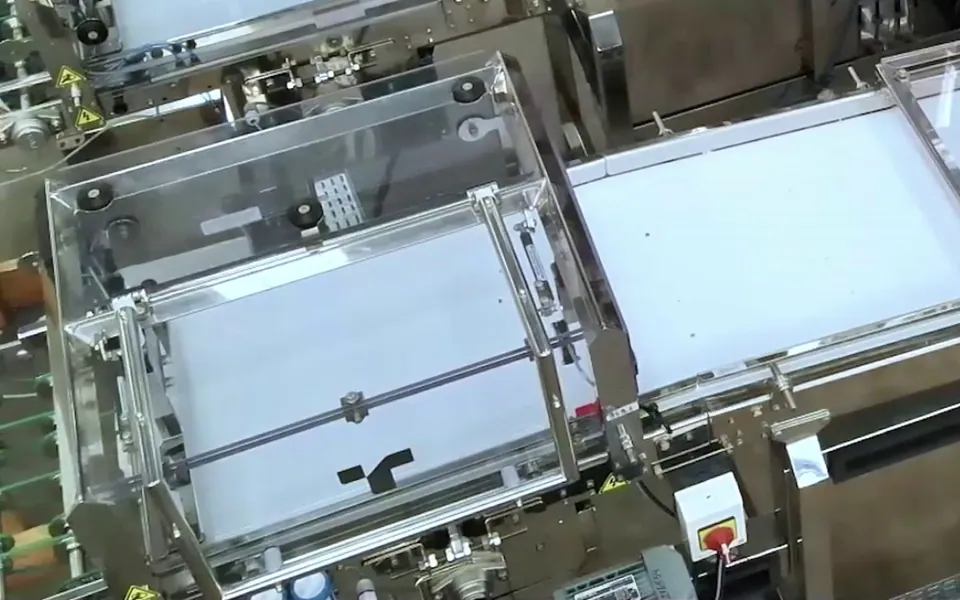
Hygiene
Sanitary design is focused on direct food-contact applications and demanding washdown environments.
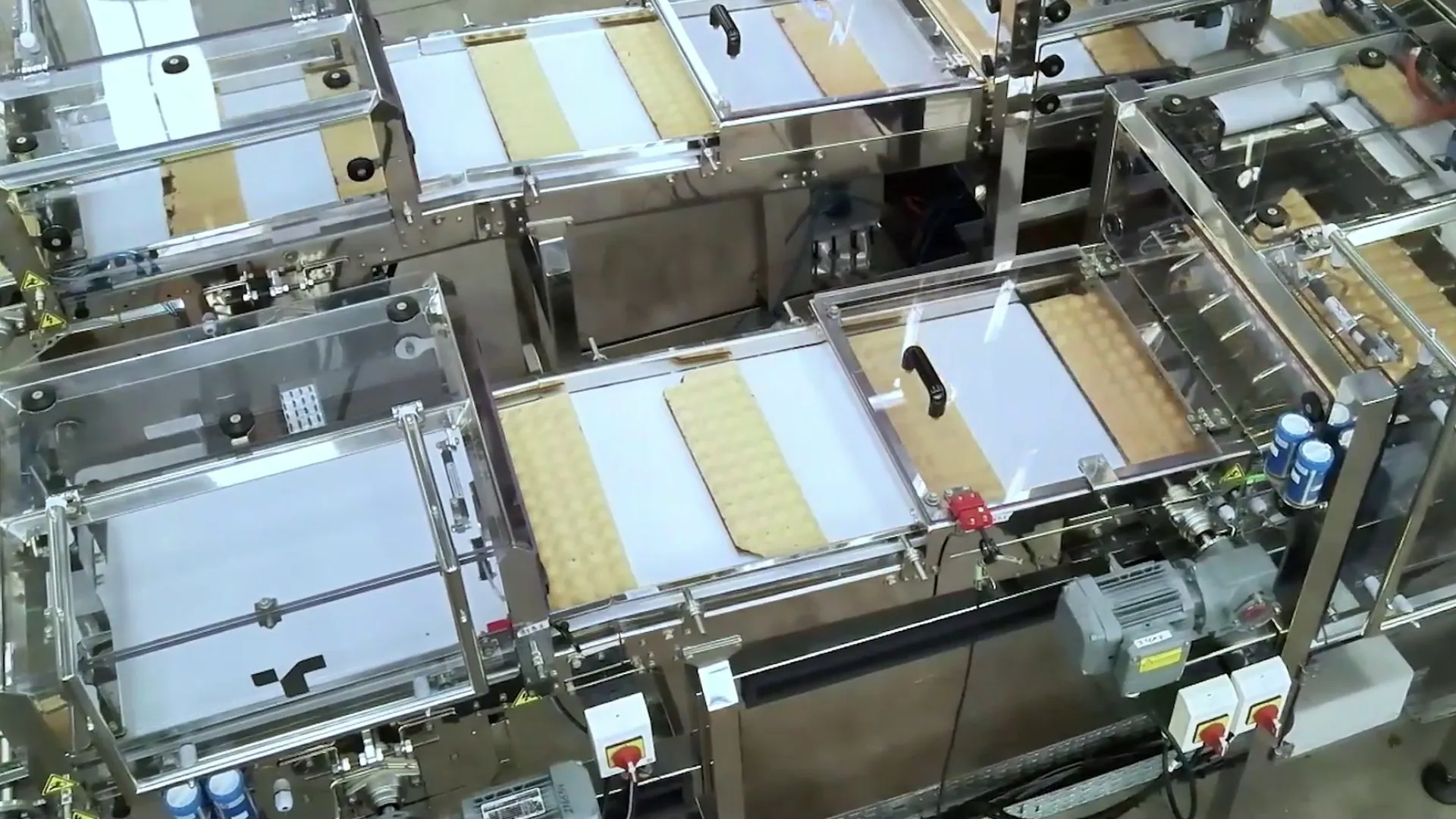
Conveyor Systems / TRFCleanflow
Sanitary conveying designed for food-contact zones and the cleaning routines that come with them.
Hygienic conveyor systems move exposed food between processing, inspection and packaging on surfaces built to be cleaned, and TRFCleanflow is the hygienic conveyor platform of TRF Industrial Automation for food processing automation, with a Dry line for low-moisture areas and a Washdown line for daily wet cleaning.
Clean by design
Open-frame stainless construction with easy access for cleaning.
Faster return to production
Hygienic architecture supports faster sanitation cycles.
Gentle on exposed food
Controlled handling designed to protect the product during transfer.
Dry and Washdown lines
Two lines matched to how often and how hard you clean.
| Item | TRFCleanflow |
|---|---|
| What it is | Hygienic conveying platform for direct food handling and washdown environments |
| Lines | TRFCleanflow Dry for dry-clean and low-moisture areas; TRFCleanflow Washdown for frequent washdown |
| Products handled | Exposed food and food-contact products between processing, inspection and packaging |
| Typical functions | Convey, incline, transfer, distribute and merge |
| Structure (design target) | 304 stainless steel on both lines; 316 stainless optional on Washdown for aggressive environments |
| Frame (design target) | Open-frame architecture; continuous welds, sloped and self-draining surfaces on Washdown |
| Belting (design target) | Food-grade belting; modular plastic or monolithic belt, depending on the product, on Washdown |
| Electrical (design target) | IP65 components as the baseline on Dry; IP66 and IP69K components in direct washdown zones and a NEMA 4X control enclosure on Washdown |
| Capacity | No catalog speed: engineered per application, following the product, the layout and the connected process equipment |
| Delivery model | Turnkey: engineering, manufacturing, controls, installation and commissioning by TRF |
| Priority industries | Beef, pork, poultry, seafood, frozen foods, ready-to-eat, dairy and cheese |
Construction, materials and protection ratings are design targets of the TRFCleanflow platform. TRF engineering confirms them for each application, with your product, layout and sanitation program.
Food processors choose TRFCleanflow, one of the food processing conveyor systems engineered for the path between processing and packaging. These are the six reasons.
Sanitary design is focused on direct food-contact applications and demanding washdown environments.
Heavy-duty stainless-steel construction is engineered for repeated washdown cycles in wet, cold and demanding plants.
Open, accessible construction simplifies sanitation and helps reduce cleaning time.
A hygienic architecture supports faster sanitation cycles and a reliable return to production.
Gentle, controlled handling is designed to protect exposed food products during transfer.
One partner is accountable for the agreed project scope: engineering, manufacturing, controls, installation and commissioning.
A hygienic conveyor system, also called a sanitary conveyor system, is designed so that every surface the product touches, and every surface that can collect soil, can be cleaned and inspected as part of the plant's sanitation routine. In a food plant the conveyor sits inside the hygienic zone, so it is judged by how fast and how completely it can be cleaned, not only by how much product it moves.
The difference from a standard industrial conveyor is the whole architecture, not the motor or the belt alone: open frames instead of closed boxes, sloped and self-draining surfaces instead of flat ledges, continuous welds instead of crevices, and belts and guides that come off for cleaning. A food grade conveyor adds food-grade belting: on the Washdown line, the belts are modular plastic or monolithic, selected for the product. A stainless steel conveyor alone is not the whole answer, because a sanitary conveyor is also judged by its welds, its drainage and how fast a crew can reach every surface.
TRFCleanflow extends TRF automation upstream into food processing. It is designed around sanitation, accessibility, product integrity and uptime rather than transportation alone, and each food conveyor path is engineered as one hygienic system that conveys, inclines, transfers, distributes and merges product.
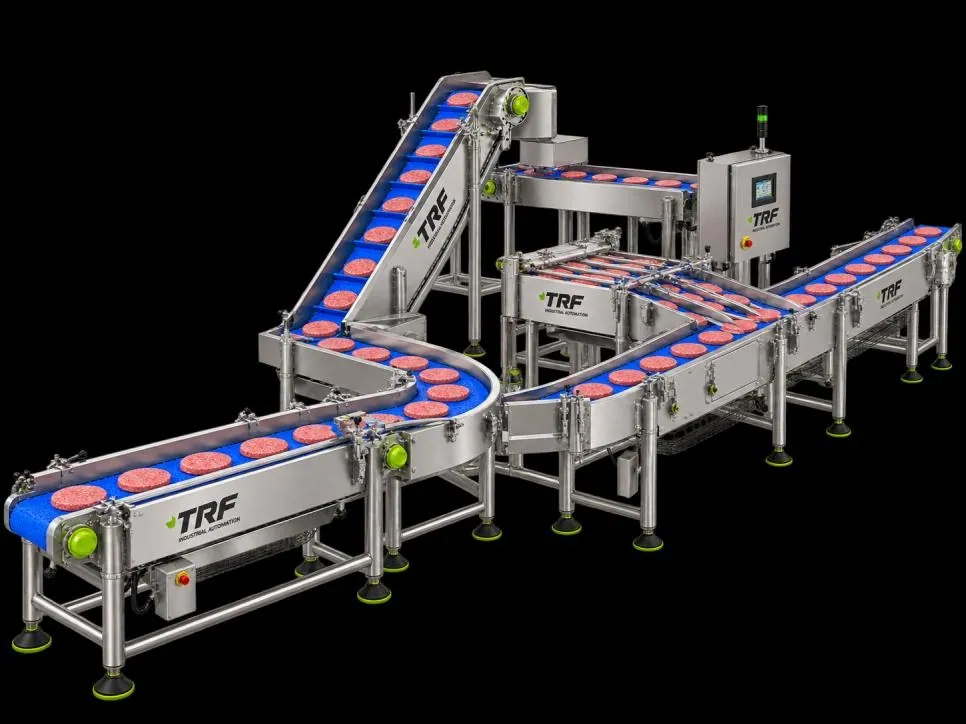
A hygienic conveyor is easy to clean when a crew can reach every surface that matters without dismantling it, and the right answer depends on how the zone is cleaned. In a dry zone, cleaned by vacuum, brushing and wipe-down, the risk is product that builds up unnoticed. In a washdown zone, the risk is water and residue trapped where they cannot drain. Both come from construction that was never designed to be cleaned.
On TRFCleanflow Dry, the design targets include 304 stainless steel, an open frame reachable from more than one side, reduced horizontal surfaces and cavities, easy-access belts and components, food-grade belting and lubricants where required, and an optional enclosed or covered product path. On TRFCleanflow Washdown, the washdown conveyor targets continuous welds, sloped and self-draining surfaces, no exposed hollow-frame openings, hygienic stand-offs, quick-release belt tension, tool-less belt lifting where practical, and removable guides and wear strips. Transfer points are engineered in the same layout, because that is where exposed food is most likely to tip or be damaged.
Electrical protection follows the position in the spray path. The design targets are IP65 components as a baseline on Dry, and washdown-duty motors and gearboxes, IP66 and IP69K components, sealed sensors and connectors and a NEMA 4X control enclosure in direct washdown zones. TRF engineering sets the final specification with your sanitation program.
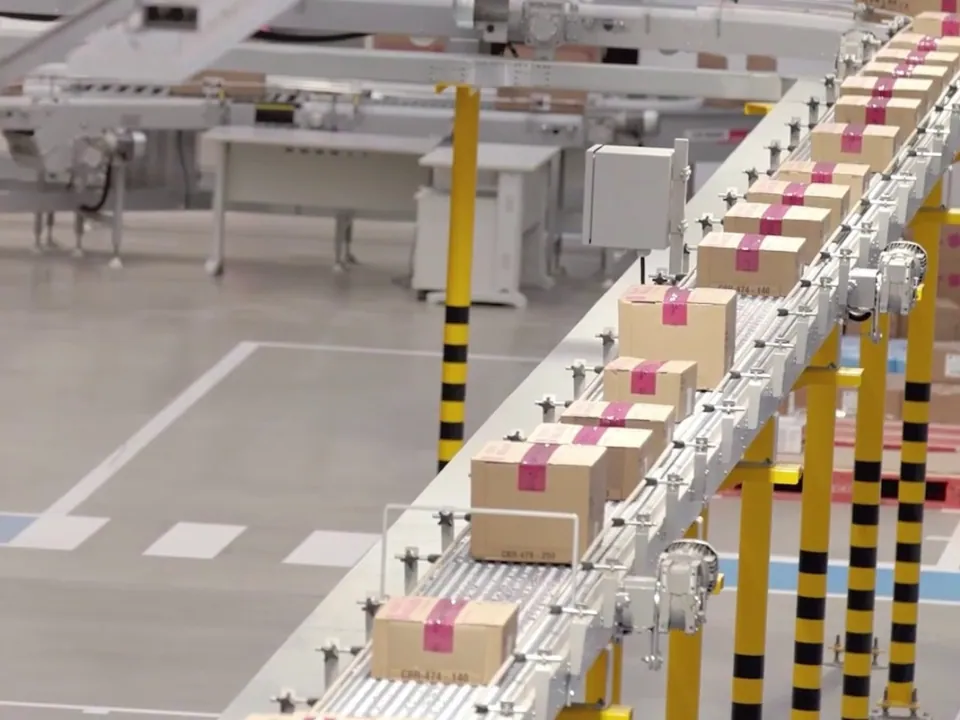
TRFCleanflow fits applications where sanitation or product handling limits production. Typical applications:
The platform is built for mid-sized and large food processors in meat processing (beef, pork, poultry and seafood), frozen food, dairy and cheese and food processing, including ready-to-eat products, wherever sanitation, washdown, product integrity and uptime are critical.
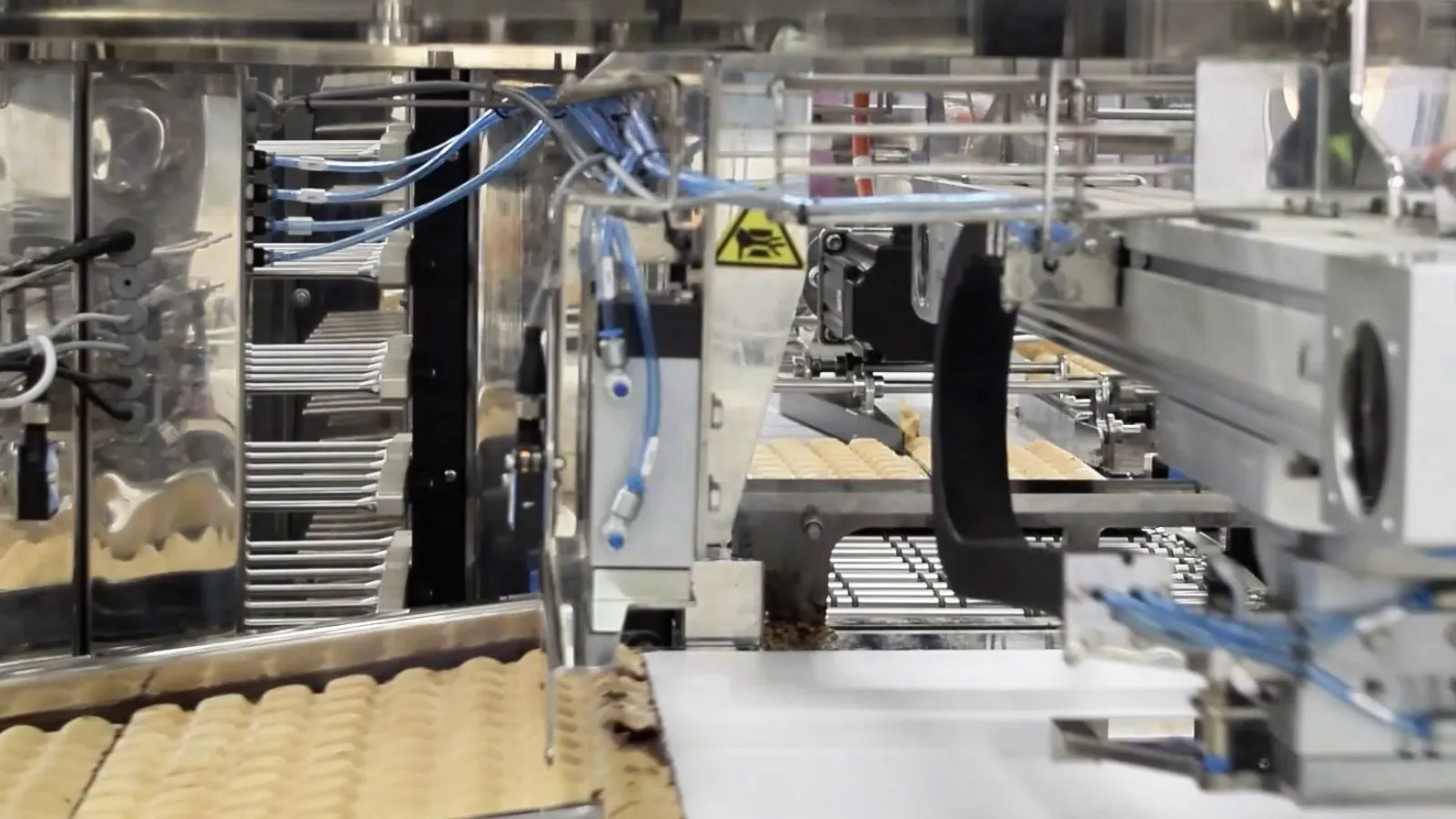
Your line is a strong candidate for TRFCleanflow when most of these statements are true:
Before quoting, TRF reviews five inputs with your team: the product (dimensions, weight, temperature and condition), the process rate, layout drawings with ceiling heights and drain positions, your sanitation program and chemicals, and the equipment the conveyor feeds or receives from.
Choose by what is conveyed and how each zone is cleaned. Use TRFIntraflow when the item is a case, carton, tray, tote or other packaged unit moving between automation processes. Use TRFCleanflow when the item is exposed food or the conveyor sits in a hygienic or washdown zone: Dry fits industrialized foods with moderate, infrequent cleaning by vacuum, brushing and wipe-down, and Washdown fits animal protein and similar products with daily sanitation using chemicals, high pressure and high temperature. If a zone is mostly dry but sometimes cleaned wet, or sits next to a wet zone, TRF engineering reviews the sanitation procedure with your team before specifying the line.
| Criterion | TRFIntraflow | TRFCleanflow Dry | TRFCleanflow Washdown |
|---|---|---|---|
| What it moves | Packaged goods: cases, cartons, trays, totes | Exposed food in dry, low-moisture areas | Exposed food in wet, food-contact zones |
| Production zone | Secondary packaging and palletizing | Processing and primary packaging | Processing and primary packaging |
| Typical functions | Transport, accumulate, merge, divert, sort, elevate | Convey, incline, transfer, distribute, merge | Convey, incline, transfer, distribute, merge |
| Cleaning routine | Outside the exposed-food zone | Moderate, infrequent: vacuum, brushing, wipe-down | Daily sanitation with chemicals, high pressure, high temperature |
| Construction (design targets) | Heavy-duty industrial design for demanding production environments | 304 stainless steel, IP65 electrical baseline, optional enclosed or covered product path | 304 stainless steel with 316 optional, continuous welds, IP66 and IP69K electrical, NEMA 4X enclosure |
| Typical fit | Cases bottlenecked or moved by hand | Industrialized foods with moderate, infrequent cleaning | Animal protein and similar products with daily washdown |
| Main priority | Flow and scalability | Hygiene and uptime | Hygiene and uptime |
When a project crosses both environments, TRF combines the platforms as one coordinated material-flow system. With case packing and robotic palletizing, including TRFSubzero for areas below 32°F, from the same partner, the whole line is scoped as one end-of-line project, with the interfaces to stretch wrapping, labeling and warehouse systems defined in the same engineering. The Avon case study covers conveying, case handling and vertical transport.
Catalog
Tell us where to send it and a TRF Sales Engineer will email you the TRFCleanflow catalog with specifications and configurations.
Thank you.
A TRF Sales Engineer will email you the TRFCleanflow catalog.
Questions
A conveyor system can be designed for both dry and washdown zones in the same plant, with each zone built to its own cleaning routine. TRF engineers TRFCleanflow Dry for low-moisture areas and TRFCleanflow Washdown for daily, high-pressure cleaning within one project, and defines where construction changes, how the boundary is cleaned and how the flow continues into packaging.
Your plant needs a dry conveyor where the zone is cleaned with vacuum, brushing and wipe-down, and a washdown conveyor where it is cleaned with water, chemicals, high pressure and high temperature. The deciding factor is the sanitation program of that specific area, not the plant as a whole, so TRF asks how often and how each zone is cleaned before it recommends TRFCleanflow Dry or Washdown.
A stainless steel conveyor costs what its product, zones, length, inclines, transfers, belt type, stainless grade, drives, controls and sanitation routine require, so there is no catalog price. TRFCleanflow is always quoted as a complete engineered system: a TRF Sales Engineer defines the scope from your product, layout and cleaning program, then confirms the Dry or Washdown design targets for each zone.
TRF Industrial Automation builds sanitary conveyor systems for meat and poultry processing in the United States with TRFCleanflow, whose priority industries are beef, pork, poultry, seafood, frozen foods, ready-to-eat and dairy and cheese. Projects are turnkey: one partner is accountable for the agreed project scope of engineering, manufacturing, controls, installation and commissioning, from the processing room to the packaging line.
Sanitary conveyors connect processing to packaging in a protein plant: they carry exposed cuts, portions or prepared product from processing to inspection and on to primary packaging, merging or distributing the flow on the way. TRFCleanflow does this job. Once the product is packed, TRFIntraflow moves the cases to case packing and palletizing.
The food-contact features that matter on a conveyor in a meat plant are the ones that let every surface be cleaned and inspected: open frames, continuous welds, sloped and self-draining surfaces, food-grade belting, stainless fasteners and removable guides and wear strips. These are design targets of the TRFCleanflow Washdown line, confirmed per application with your sanitation program.
A hygienic conveyor helps protect exposed food at transfer points with gentle, controlled handling: belt selection, transfer design and incline angles chosen for the product so pieces are less likely to tip, stick or break between belts. TRFCleanflow engineers layouts, belt selections and transfer solutions around each product and process, which is why TRF asks for product dimensions, weight, temperature and condition first.
If sanitation time or product damage at transfers limits your production, start with a process review. Share the product, the sanitation routine, the layout and the equipment before and after the conveyor. A TRF Sales Engineer outlines how TRFCleanflow hygienic conveyor systems, in the Dry or the Washdown line, can be engineered and installed for your plant by one partner.
Want to see TRF installations first? Browse the TRF case studies.