
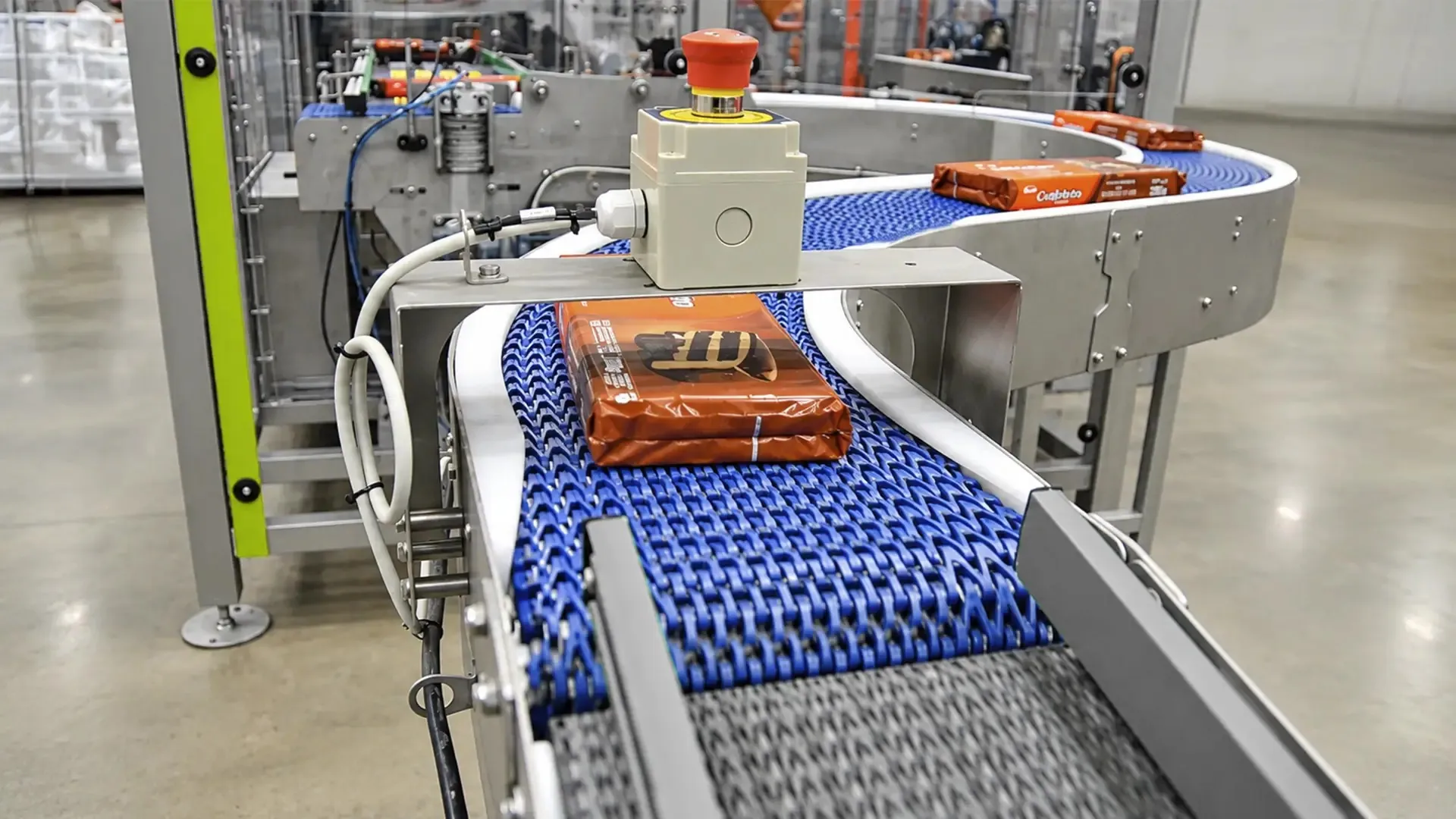
Industries / Confectionery
Confectionery automation: Packaging and end-of-line solutions.
Robotic palletizing, case packing and conveyor systems at the end of the confectionery line, after primary packaging.
Confectionery automation from TRF Industrial Automation covers robotic palletizing, case packing and conveyor systems at the end of the line, after primary packaging. TRF Industrial Automation is a U.S.-based company and part of the Torfresma Group, and it works with candy and chocolate producers that want packed product moved from the wrapper or bagger to a shipping pallet by automation.
Custom engineering
Solutions engineered for your production requirements.
Turnkey integration
From system design through installation and startup.
High reliability
Built for continuous operation.
U.S. support
Technical support for customers across the United States.
Lifecycle support
From startup to long-term performance.
Confectionery automation solutions: What TRF automates
TRF Industrial Automation automates three steps at the end of the confectionery line. Each one is evaluated for your products, rates and plant, and each one can be a project on its own or part of an integrated system. The typical package is bags, wrapped bars, boxes and cartons, and TRF confirms the fit for each real product.
Robotic Palletizing
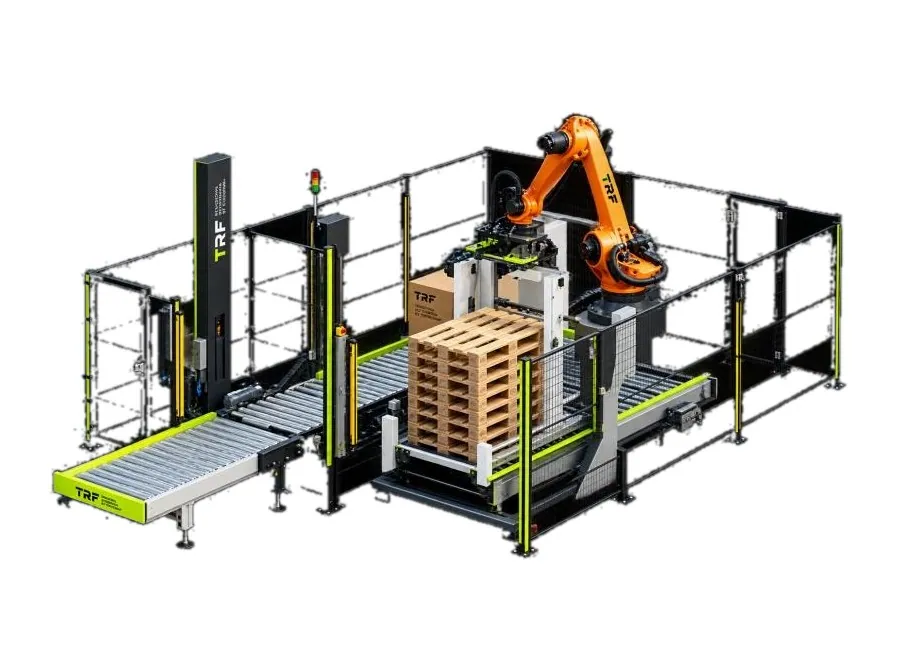
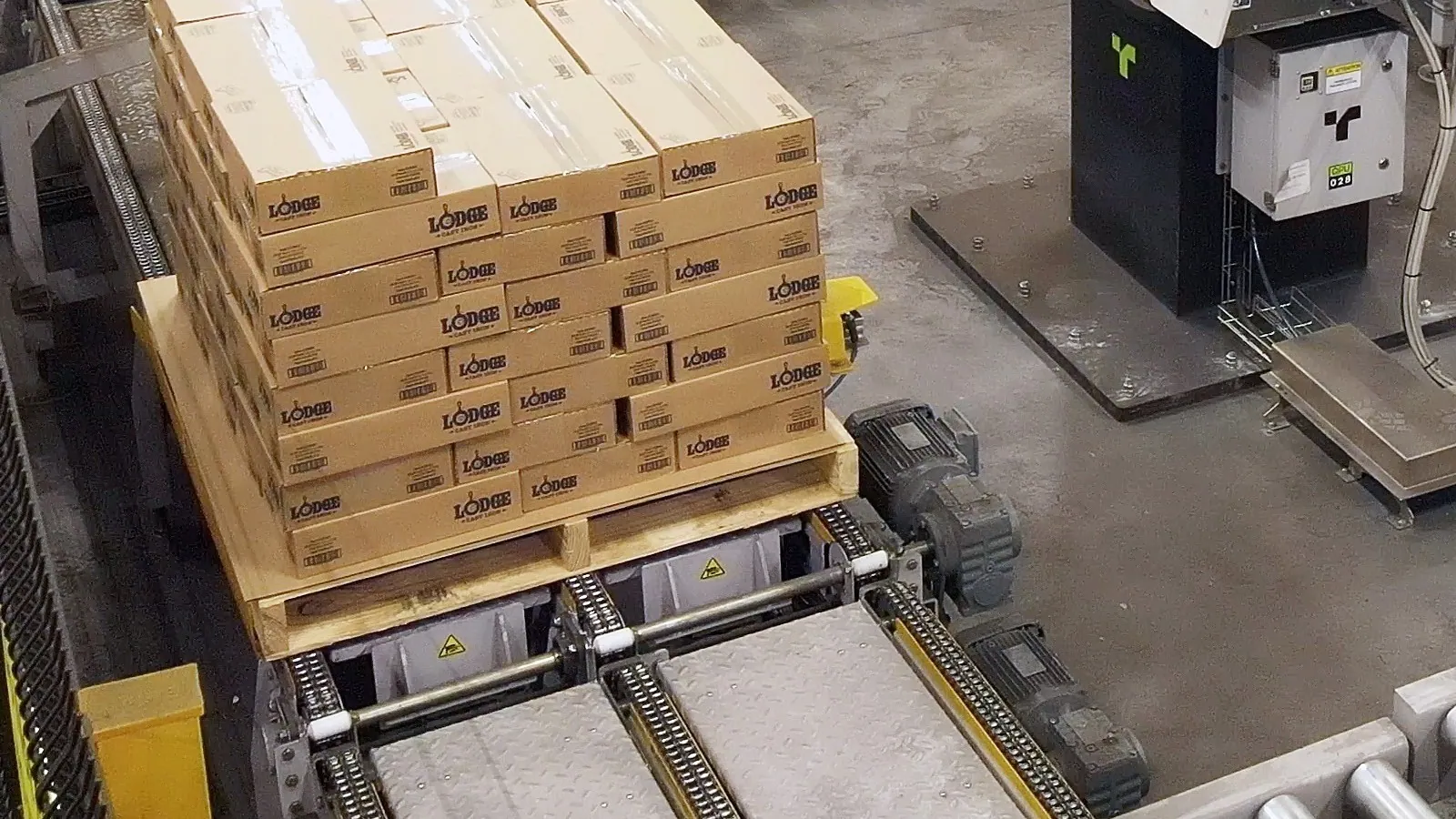
Robotic palletizing replaces manual stacking with a robot that builds stable pallets from stored patterns. TRF offers the TRFCobot collaborative palletizer, the TRFCompact compact industrial cell and the TRFSpeed high-speed palletizer, plus a custom palletizer when the unit, rate or layout falls outside the standard platforms. The robotic palletizing page compares them.
Case Packing
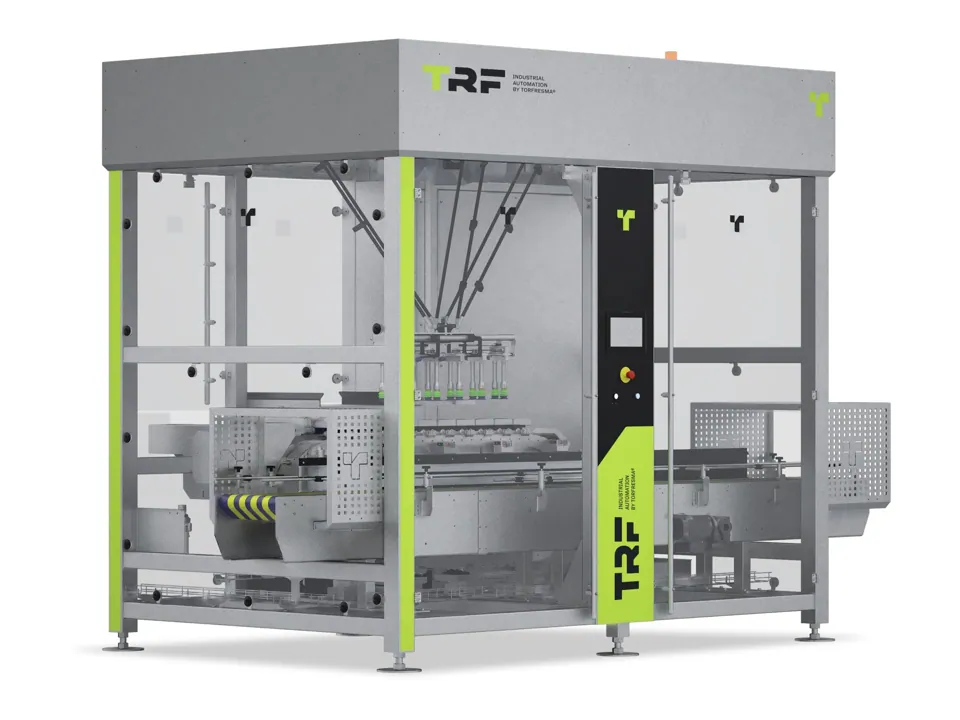
Case packing places packed product into shipping cases. TRFRapidpack is the robotic option, TRFOnepack erects, packs and seals in one machine, and TRFDroppack loads by gravity. The case packing page explains how to choose among them.
Conveyor Systems
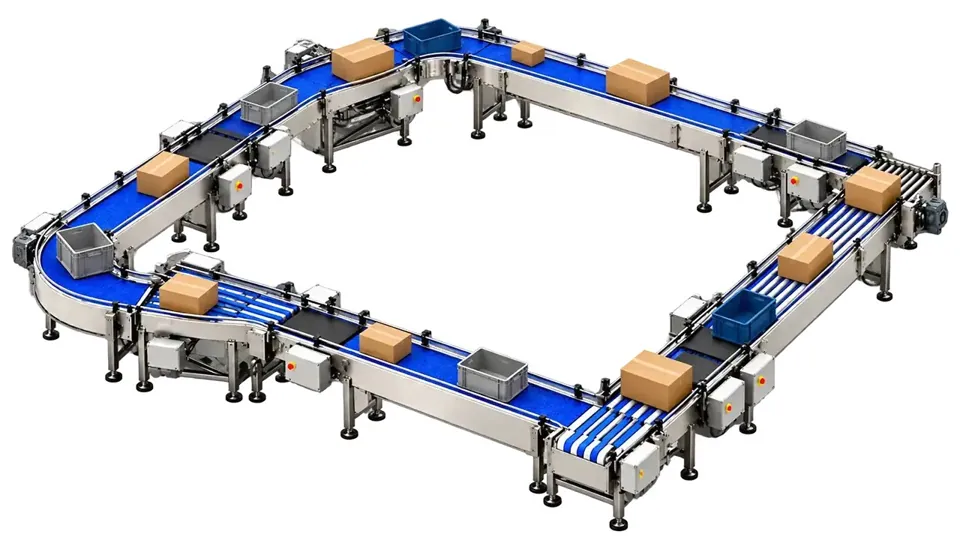
TRFIntraflow conveys, accumulates, merges and diverts cases between the packer, the palletizer and the next area. Where the area calls for hygienic design, TRFCleanflow is evaluated per application.
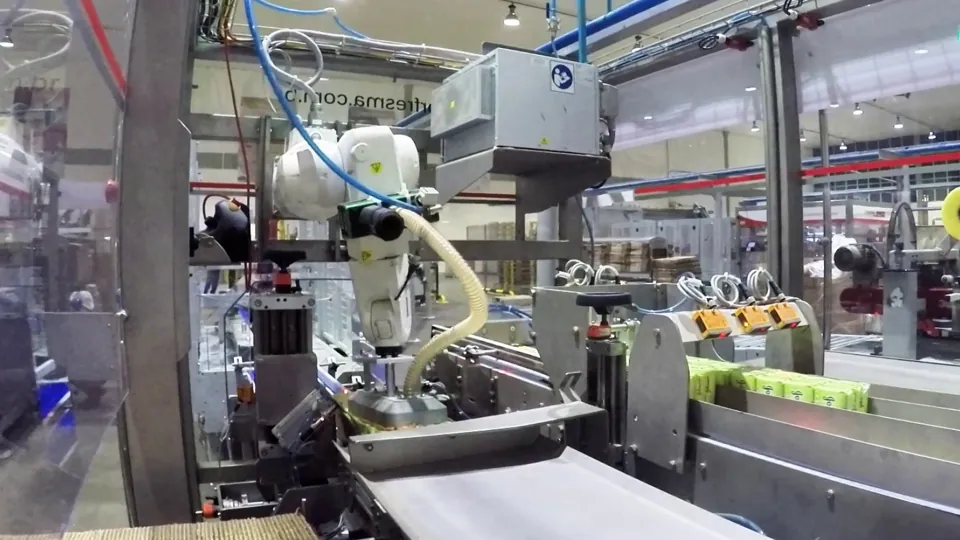
How TRF evaluates a confectionery line
Confectionery automation has to fit plants that often run many SKUs and seasonal items, so changeovers, product handling and floor space weigh heavily in the review. A TRF Sales Engineer reviews the line with you and covers the same points for every project:
- Application: the products, packages and cases you run today and plan to run.
- Line speed: the rate in packs or cases per minute, including peaks.
- Weight: the weight of the heaviest and lightest case or unit.
- Pallet pattern: pallet size, layer pattern and stacking height.
- Space: the floor area, ceiling height and access available at the end of the line.
- Integration: how the new equipment connects to the machines, controls and conveyors already in place.
The result is a recommendation of which platforms fit, in which order to phase them, and what an integrated project would include.
One partner for the whole end of the line is often the simplest way to run the project. When the case packer, the conveyors and the palletizer are engineered, controlled and started up together, the handoffs between them are designed once, and one team answers for the agreed scope. TRF can also start with a single step, such as the palletizer, and leave room for the other steps to be added later.
What to Send for a First Review
The review starts from your real confectionery line, so the more specific the information, the more precise the first recommendation:
- A list of products and package formats, with case sizes and weights.
- Target rates, shifts per day and expected growth.
- Pallet size and pattern, and any customer requirements for the pallet.
- Photos and a rough layout of the end of the line, with the floor space available.
- The equipment already in place that the new system must connect to.
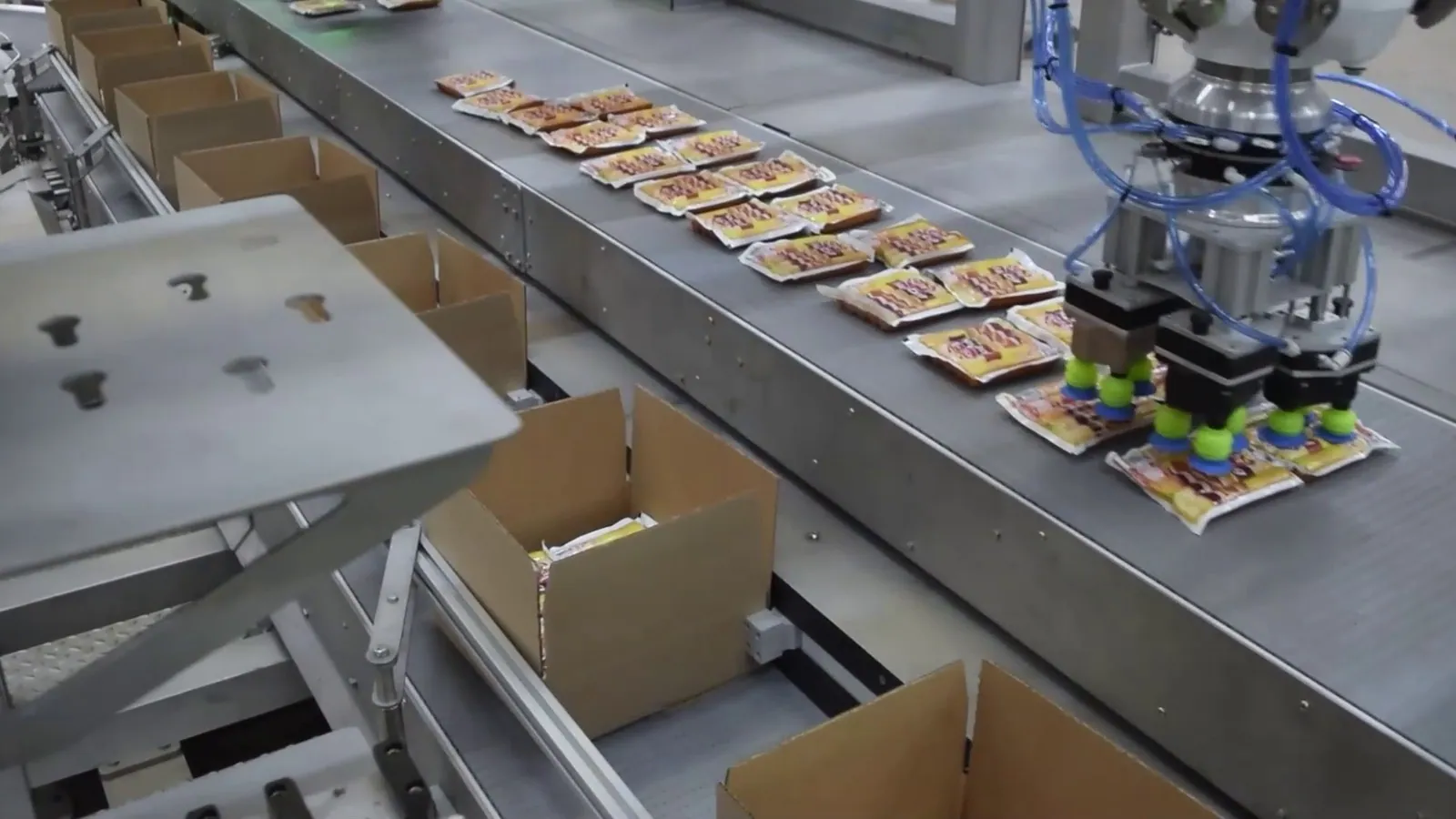
Platforms that often join a confectionery automation project
Any of the nine TRF platforms can be part of a confectionery automation project, and TRF engineering confirms the fit for each product, rate and plant. These are the ones that most often come up:
| Platform | Role at the end of the line | When it comes up |
|---|---|---|
| TRFRapidpack | Robotic, vision-guided case packing for flexible production lines | Robotic, vision-guided case packing for many SKUs and variable package positions |
| TRFOnepack | Erects, packs and seals the case in one machine | Case forming, packing and sealing in one machine for smaller lines |
| TRFDroppack | Gravity case packing for bags, pouches and flexible packages | Repetitive bagged products that run in standard patterns |
| TRFCobot | Collaborative palletizing for lower-rate lines, many SKUs and limited floor space | Plants that stack by hand today and have limited space |
| TRFCompact | Industrial robot in a compact cell with a higher duty cycle than a cobot | Industrial duty cycle in a compact cell |
| TRFSpeed | High-volume or multi-line palletizing, from a dedicated cell to a centralized system | Higher-volume lines or several lines feeding one palletizing area |
| TRFIntraflow | Case conveying, accumulation, merging, diverting and elevation between machines | Case conveying and buffering between machines |
Capacity depends on the product, pack pattern and plant. TRF engineering confirms the final figures for each application.
Confectionery projects and videos
TRF gathers projects and videos of applications in confectionery and related segments. During the evaluation, the Sales Engineer shows examples that are close to your line, so you can see how similar steps were solved before you decide.
Questions
Frequently asked questions
What Should a Confectionery Plant Send to Get a First Recommendation?
Send the product and package list, case sizes, target rates, shifts, floor space and photos of the end of the line. For seasonal items, include the peak volumes as well. A TRF Sales Engineer maps each step to a platform and explains what a project would include.
Does TRF Supply the Wrapper or Bagger?
No. TRF supplies the steps after primary packaging: case packing, conveying and palletizing. The wrapper, bagger or other primary machine stays with its current supplier, and TRF connects to it during the project.
How Do Seasonal Volume Peaks Affect the Choice of Platform?
Peaks affect the rate the cell must handle and how much buffering the line needs. Some TRF platforms can expand, for example by adding robots, when volumes grow. Share your peak and average rates so TRF can size for both.
Can One End-of-Line System Cover Both Case Packing and Palletizing?
Yes. TRF engineers the case packer, conveyors and palletizer together when the project calls for it, with one partner accountable for the agreed scope. Some plants start with only one step and add the other later.
Start your confectionery automation project
Confectionery Automation works best when the case packer, conveyors and palletizer are chosen together, around your products, rates and floor space. Send your product list, package formats, case sizes, target rates and shifts, and a TRF Sales Engineer will map each step of your end of line to a platform.
Related industries: Bakery and Snacks, Food Processing, Consumer Packaged Goods. You can also compare the robotic palletizing, case packing and conveyor systems pages.
Next step
Keep your production running.
Tell us about your products, rates and floor space. A TRF Sales Engineer answers with the platform, the layout and the next step for your line.