
Industries / Frozen Food and Ice Cream
Frozen food packaging automation and end-of-line solutions.
Robotic palletizing, case packing and conveyor systems after primary packaging, with TRFSubzero for areas below 32°F.
Frozen food packaging automation from TRF Industrial Automation means robotic palletizing, case packing and conveyor systems at the end of the line, after primary packaging. TRF is a U.S.-based company and part of the Torfresma Group, and it supports frozen food and ice cream manufacturers across the United States.
Custom engineering
Solutions engineered for your production requirements.
Turnkey integration
From system design through installation and startup.
High reliability
Built for continuous operation.
U.S. support
Technical support for customers across the United States.
Lifecycle support
From startup to long-term performance.
Key facts about frozen food packaging automation
| Topic | What TRF offers frozen food and ice cream manufacturers |
|---|---|
| Scope | Robotic palletizing, case packing and conveyor systems at the end of the line, after primary packaging |
| Typical packages | Bags, cartons, tubs and cases |
| Platforms | TRFCobot, TRFCompact, TRFSpeed, TRFSubzero, TRFRapidpack, TRFOnepack, TRFDroppack, TRFIntraflow and TRFCleanflow, plus custom palletizers |
| Delivery model | One partner accountable for the agreed scope of engineering, manufacturing, controls, installation and commissioning |
| Coverage | Frozen Food and Ice Cream manufacturers across the United States |
What does frozen food packaging automation include at the end of the line?
TRF automates three jobs after primary packaging, and each one is sized to the line it serves instead of being sold as a fixed package.
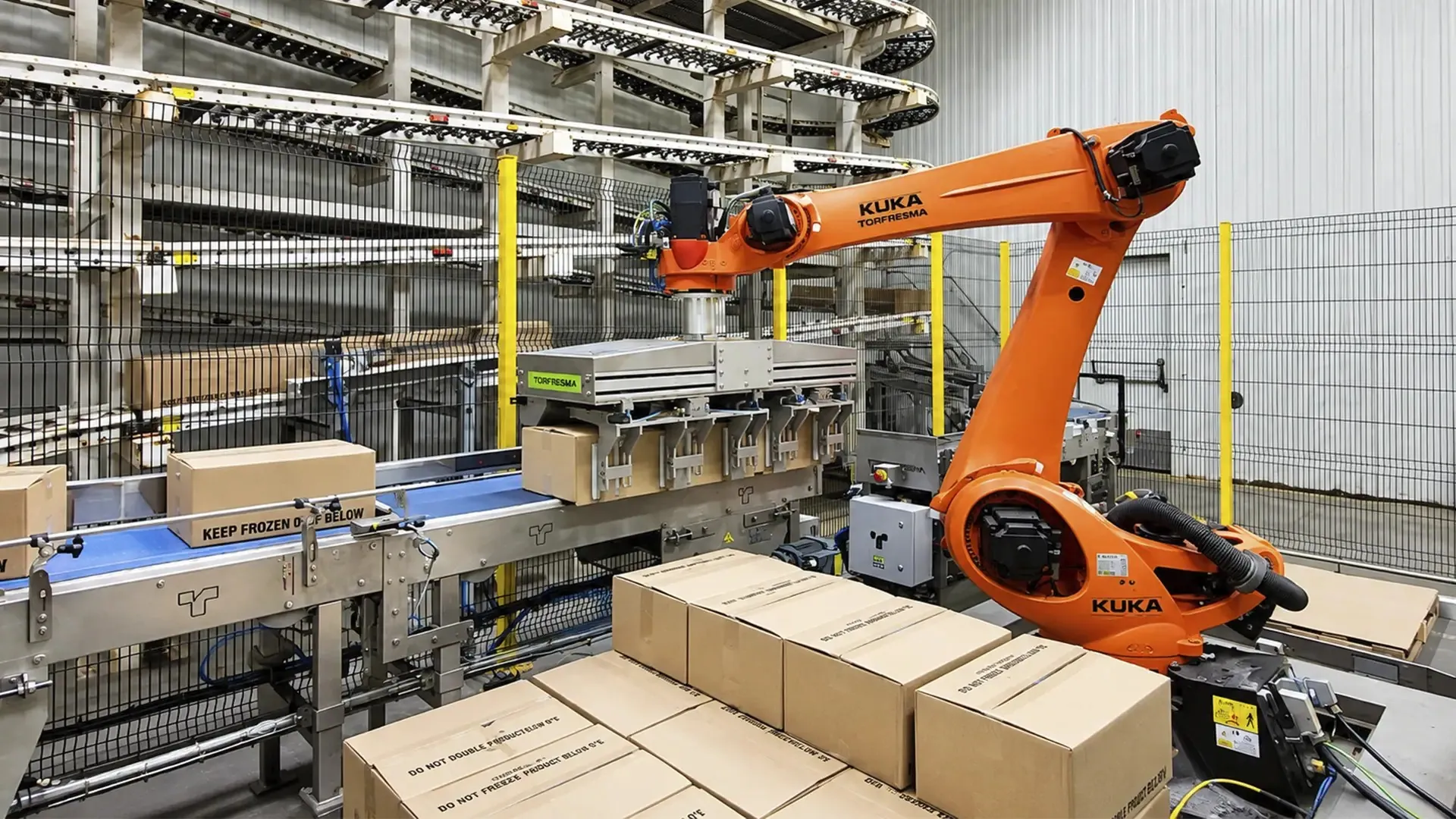
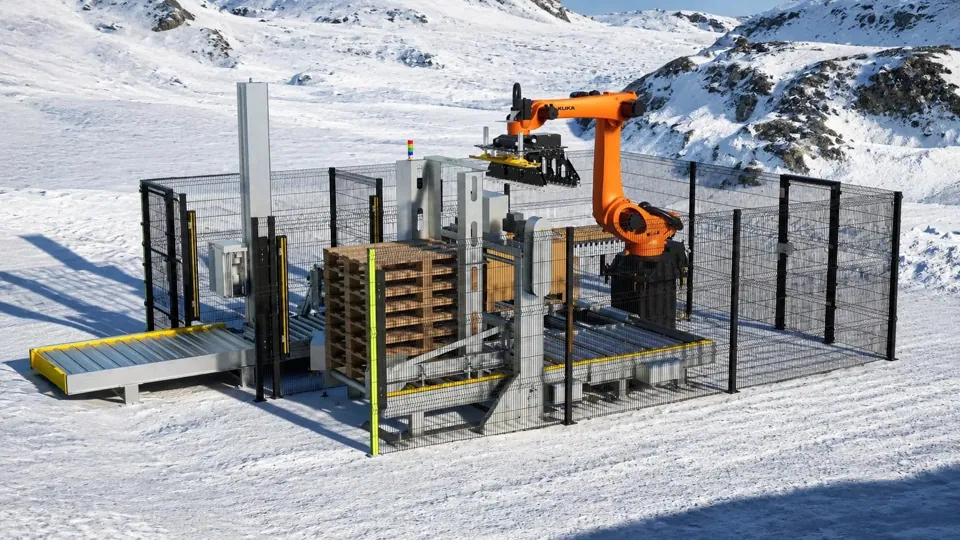
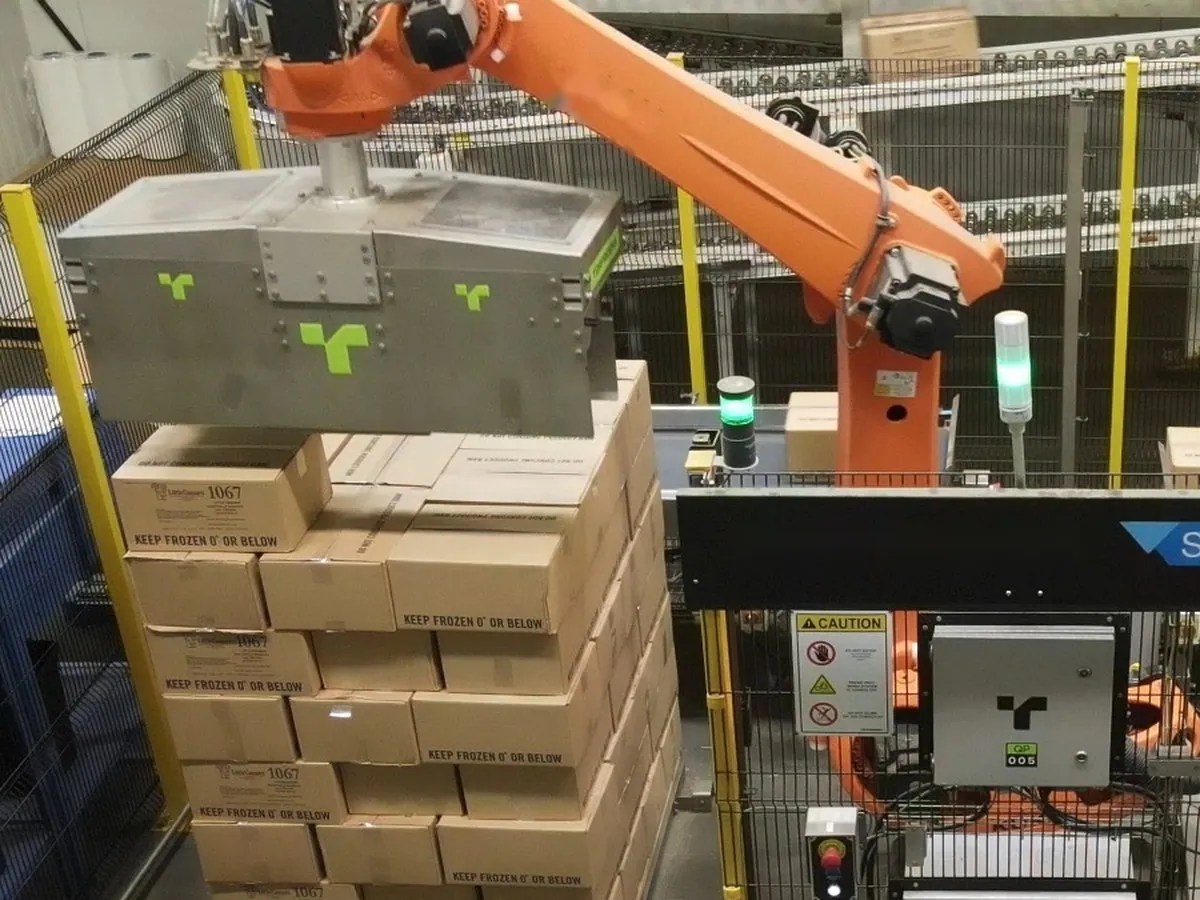
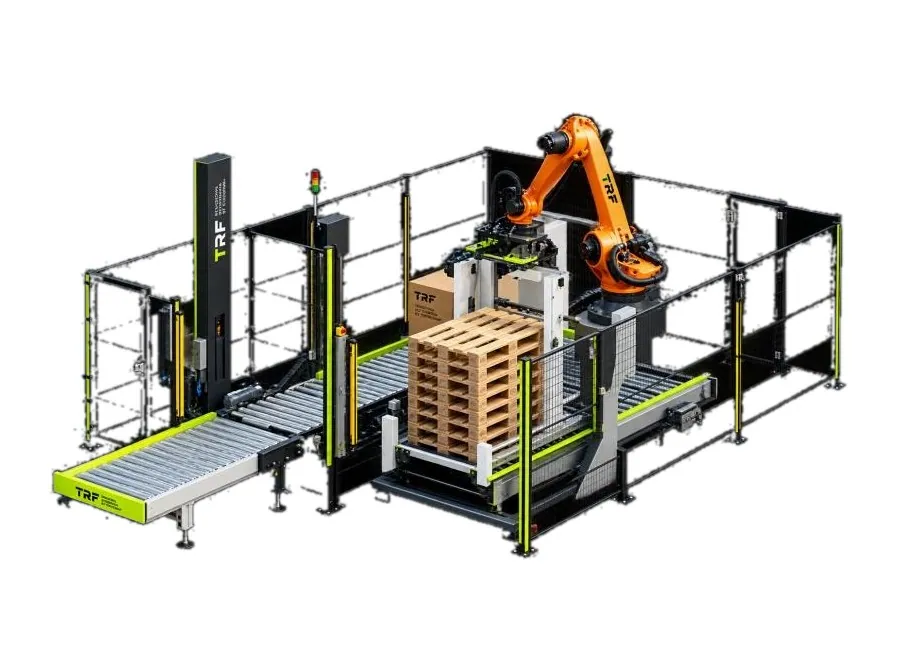
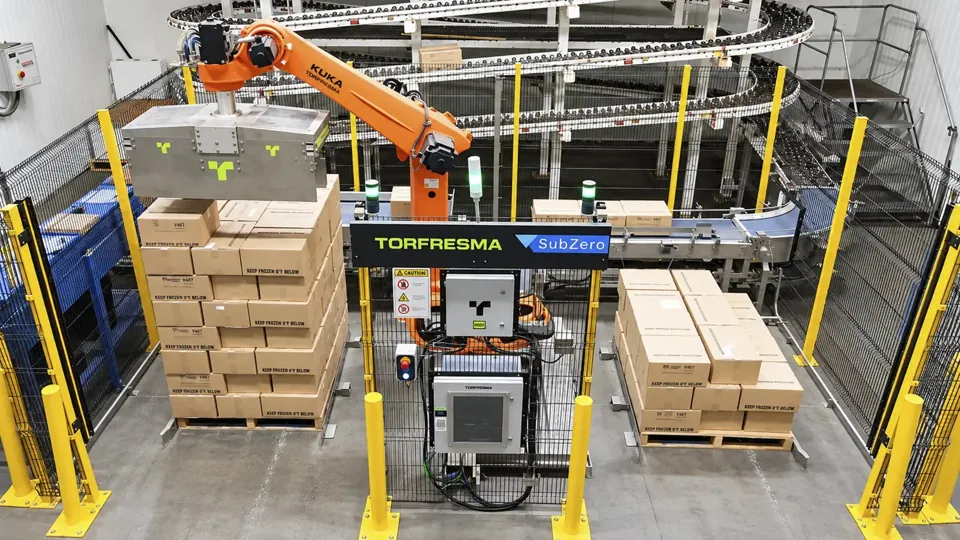
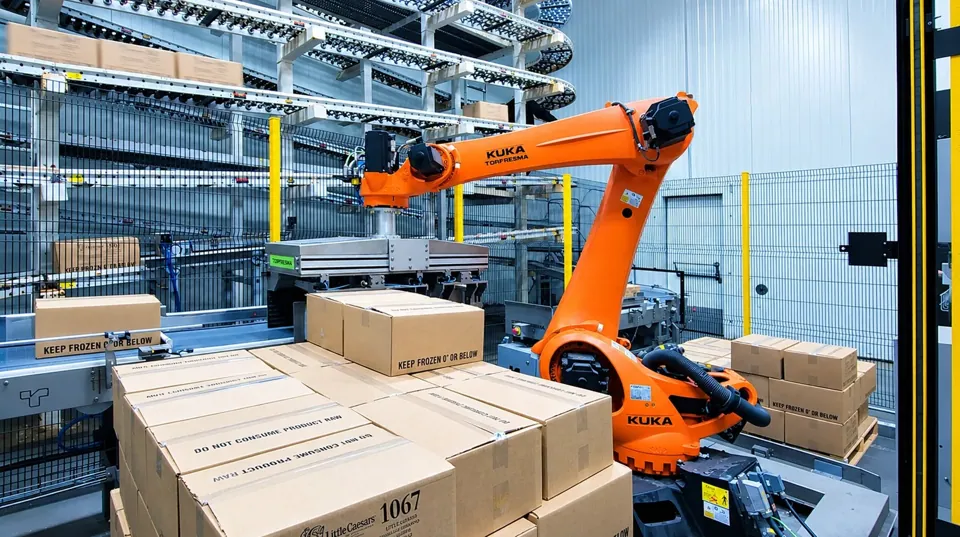
Robotic palletizing. A robot builds the pallet from cases of frozen products in the pattern the customer expects. TRFSubzero is the TRF platform for palletizing in areas below 32°F, and the other palletizers apply when the pallet is built outside the cold area. See the robotic palletizing page for the full range of platforms.
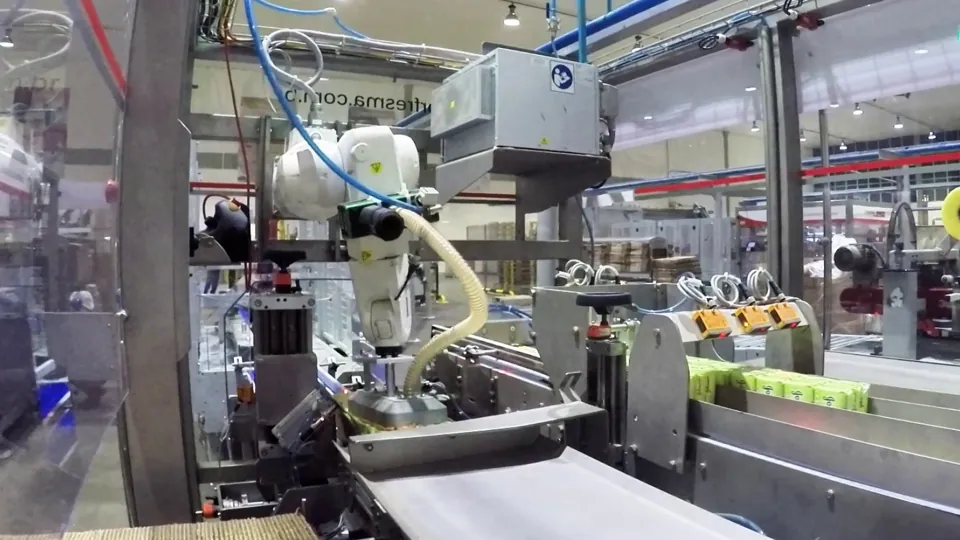
Case packing. Frozen products go into shipping cases by robot, by an integrated machine that forms, packs and seals, or by gravity loading for bags. The Sales Engineer reviews the package and the line setup to choose among the three. See the case packing page for the three case packer platforms.
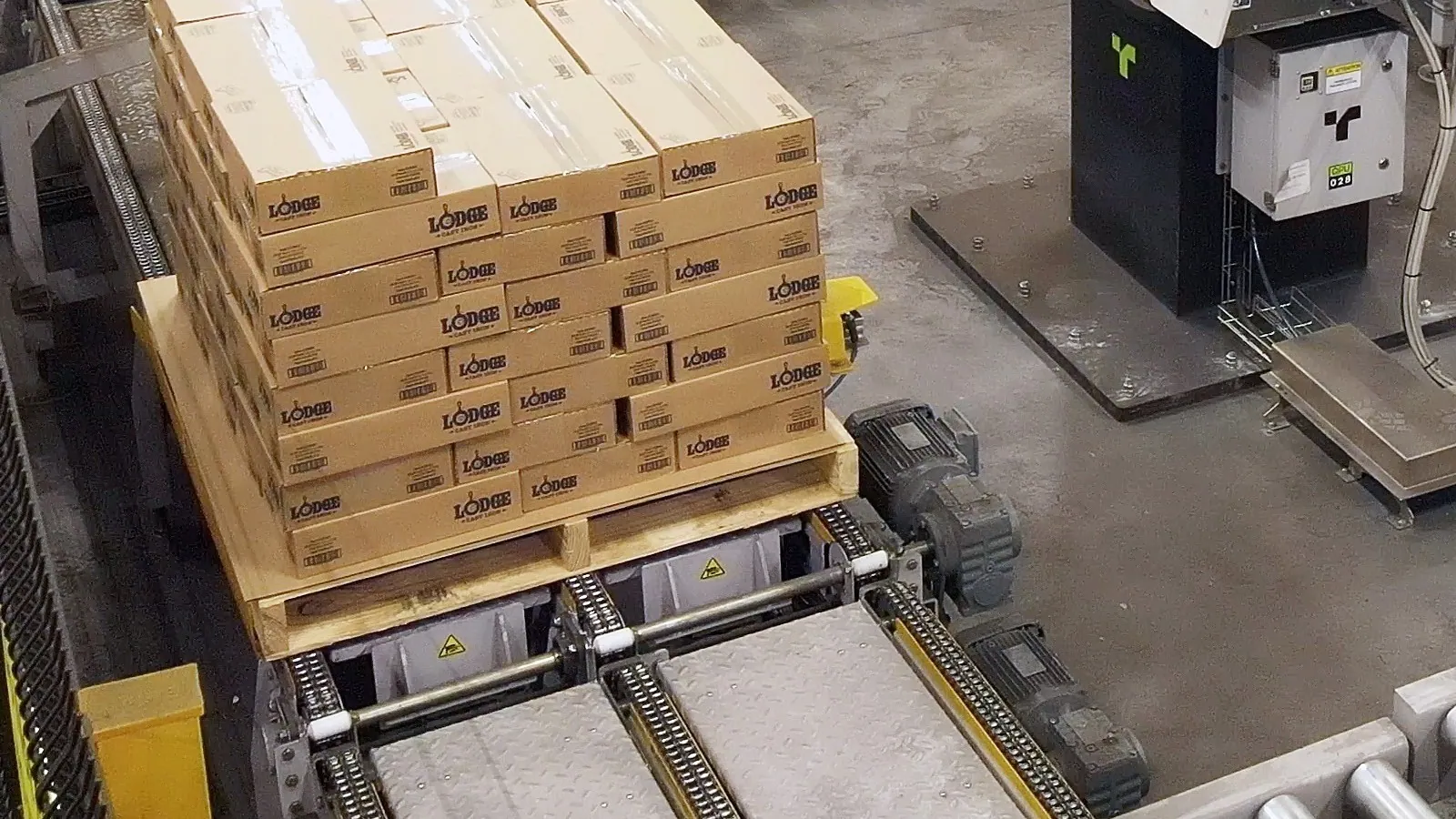
Conveyor systems. Conveyors carry closed cases from the case packer to the palletizer, accumulating and merging flow so the robot receives an organized stream, including between the packing area and a cold pallet room. The case conveyor systems page describes the modules.
How TRF evaluates a frozen food and ice cream line
Frozen lines share the same end-of-line questions as any plant, plus where the pallet is built. A Sales Engineer reviews six points of the line before recommending platforms, and confirms the temperature of the palletizing area as part of the application:
- Application. What is packed or palletized (bags, cartons, tubs and cases), its dimensions, how it arrives from primary packaging and how it has to leave the cell.
- Speed. The line rate in products per minute or cases per minute, today and at the planned growth. The rate points to a cobot, a compact industrial robot or a high-speed system.
- Weight. The weight of each case, bag or pail, which sets the gripper and the platform class.
- Pallet pattern. The pallet size, the layer pattern, the stack height and any requirement from the customer receiving the pallet.
- Space. The floor area and ceiling height after primary packaging, including plants where the new cell has to fit around current equipment.
- Integration. The conveyors, controls and machines already in place, and the point where TRF connects to each of them.
Platforms for frozen food packaging automation
The platforms that usually come up in frozen food depend on where the pallet is built and how the product is packed.
- Palletizing below 32°F. TRFSubzero is the platform for areas below 32°F. For pallets built outside the cold area, TRFCobot, TRFCompact or TRFSpeed are reviewed by rate and case weight.
- Case packing. TRFDroppack suits bags and pouches loaded by gravity, TRFRapidpack suits mixed or delicate products, and TRFOnepack erects, packs and seals cases in one machine.
- Conveying. TRFIntraflow moves closed cases between packing, the buffer and the palletizer.
Typical ranges for commercial screening. TRF engineering confirms final capacity for each application (product, end-of-arm tool, pallet pattern, reach and process).
When an application falls outside the standard platforms, TRF engineers a custom palletizer around your products and throughput.
How a frozen food and ice cream project moves from first call to commissioning
A TRF project follows the same path in every segment, so you know what to expect from the first conversation:
- Information. You send the package formats, case sizes, line speeds, shifts and a drawing or photos of the space after primary packaging.
- Screening. A Sales Engineer reviews the six points above and screens the platforms that fit the line.
- Layout and proposal. TRF shows how the equipment fits in your plant and defines the scope that the proposal covers.
- Engineering and manufacturing. TRF engineers the mechanics and the controls as one system for the agreed scope.
- Installation and commissioning. The same partner installs and commissions the system, so one team is accountable for the project.
Start with the information you already have. A partial drawing and a list of products are enough for a first conversation with a Sales Engineer about frozen food packaging automation.
Projects and videos for frozen food and ice cream
TRF gathers projects and videos of applications in frozen food and ice cream and in neighboring segments. During the evaluation, the Sales Engineer shows the examples closest to your packages, line rate and space, so you can see how a similar end of line is arranged before you decide.
Questions
Frequently asked questions
What should I send TRF to review a frozen food line?
Send the package type and size, the case dimensions and weight, the rate in cases per minute, the pallet pattern and the temperature of the area where the pallet is built. Photos of the layout and the discharge of the primary packaging machine help the Sales Engineer judge space and integration.
Can case packing and palletizing be automated in separate phases?
Yes. Many plants automate palletizing first and add case packing later, or the reverse. TRF plans the full end of the line from the start so the first phase fits the second, with conveyors and controls prepared for what comes next.
Do ice cream lines need different equipment from other frozen foods?
The platforms are the same families. What changes is the package, the case, the pallet pattern and the temperature of the area. The Sales Engineer reviews those inputs for each product and does not assume that one frozen line looks like another.
How do I decide whether the pallet should be built inside the cold area?
It depends on the plant layout, how cases travel to storage and who works in the area. TRF can review a palletizing cell inside the cold area with TRFSubzero or outside it with another platform, and compares the layouts with you.
Can one system serve both frozen food and ice cream lines?
Often, yes, when the cases, the pallet pattern and the palletizing area are compatible. The Sales Engineer reviews each product and the temperature of the area, then proposes one shared system or separate cells depending on the layout.
Start your frozen food packaging automation project
Frozen food packaging automation works when the case packer, the conveyors and the palletizer are sized for the same line and for the area where the pallet is built. Send your package formats, case sizes, line speeds and the temperature of the palletizing area, and a TRF Sales Engineer will screen the platforms that fit. You can also estimate savings with the palletizing ROI calculator.
Next step
Keep your production running.
Tell us about your products, rates and floor space. A TRF Sales Engineer answers with the platform, the layout and the next step for your line.